 Buffalo Trace Distillery Tour
Is Buffalo Trace Distillery Worth Visiting?
Is Buffalo Trace Distillery worth visiting? Short answer: yes, and here is the honest long answer. You hear about it everywhere, the Buffalo Trace Distillery tour this, Pappy Van Winkle that. It’s the pilgrimage for bourbon drinkers. A kind of whiskey Mecca sitting quietly in Frankfort, Kentucky, surrounded by rolling hills and the smell of oak. People fly across the country to stand in a warehouse full of barrels and sip something that tastes like vanilla smoke and old wood. And the question always floats around: is it really worth it? Short version, yeah. Long version, keep reading.
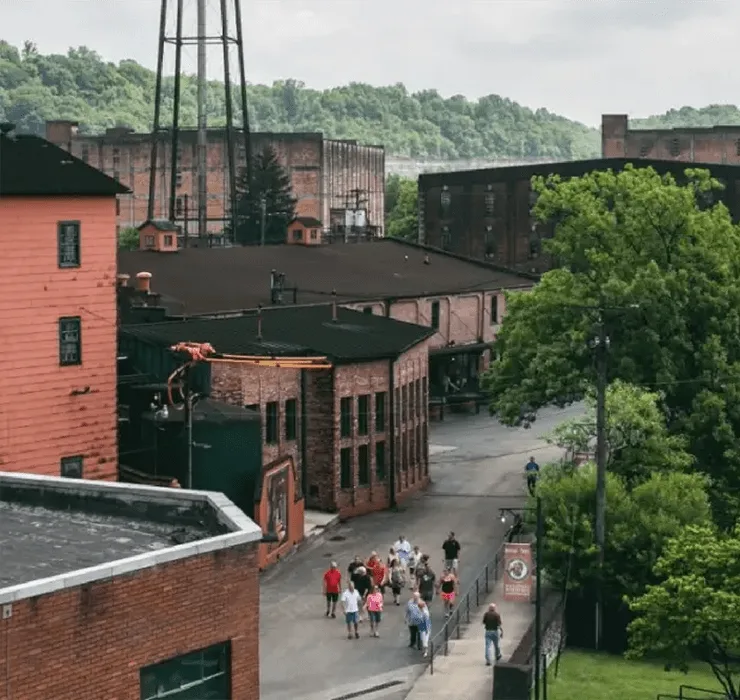
Quick answer
Yes, over 200 years of working history, a 440-acre National Historic Landmark campus, and every tour and tasting free. The honest caveats: reservations open eight weeks ahead and vanish, the distillery sits 50 miles from Louisville with no public transport, and allocated bottles are never guaranteed on the shelf.
Key takeaways
- All tours and tastings are complimentary; the Trace Tour is the right first visit
- Slots go fast: reserve eight weeks out, or take a guided day with a held slot
- Timing changes the visit more than you expect: month-by-month breakdown
- Only have half a day in Louisville? The Churchill Downs combo fits both icons into six hours
Why Everyone’s Obsessed with Buffalo Trace
Let’s start with the obvious. Buffalo Trace isn’t new. It’s ancient by American standards. They’ve been making bourbon here since the 1700s, before Kentucky was even Kentucky. The place feels old, not museum old, but alive old. You smell the mash before you see it. The air’s warm, heavy with yeast and grain.
And then there’s the legend part. This is where bottles like Eagle Rare, Blanton’s, and the mythical Pappy Van Winkle come from. That last one alone made Buffalo Trace into a cult. You can’t buy it anywhere, but you’ll find people whispering about it in the gift shop like it’s contraband.
The distillery’s popularity isn’t only about whiskey, though. It’s the vibe. It feels real, old brick buildings, creaky floors, workers who actually seem proud of what they’re doing. No fake smiles. Just the smell of charred oak and the hum of time.
Guided Days That Include Buffalo Trace
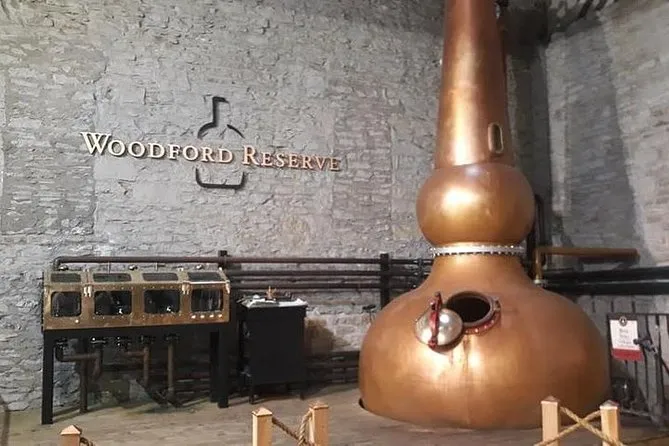
Buffalo Trace, Woodford Reserve & Four Roses Day Tour
The workhorse of the Louisville bourbon day tours: Buffalo Trace, Woodford Reserve and Four Roses in one 9-to-10-hour loop with 661 reviews behind it. Admissions included where charged.
- Operator
- None stated
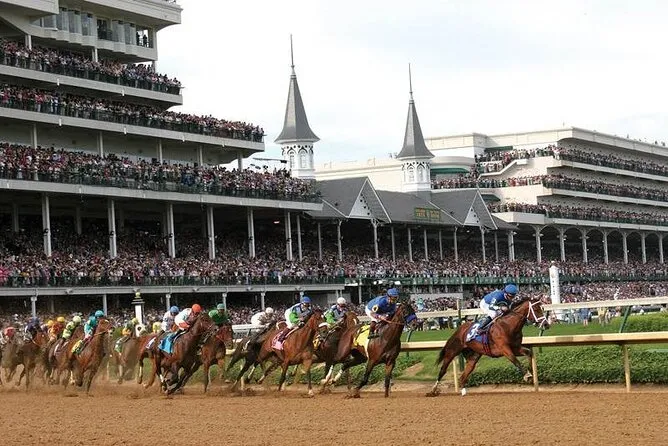
Buffalo Trace & Churchill Downs Combo
Half bourbon, half Derby: a guided Buffalo Trace visit paired with Churchill Downs racetrack in a six-hour day — the Kentucky double bill.
- Operator
- None stated
What’s the Best Distillery to Visit in Kentucky?
Depends who you ask. Kentucky’s packed with bourbon stops, Woodford Reserve, Maker’s Mark, Four Roses, Jim Beam. They’re all solid. Clean. Organized. Some a bit too polished, like you’re walking through a bourbon-themed amusement park.
Buffalo Trace stands out because it’s not on the official Bourbon Trail. It doesn’t need to be. It’s the quiet heavyweight. Tours are free, yeah, completely free, and somehow more personal than most paid ones. You walk the grounds, hear the history, peek into dark warehouses stacked with barrels like soldiers in formation.
If you’re into pretty packaging and gift shops, go to Maker’s Mark. If you want to smell the dust and see where the good stuff actually breathes, go here.
Can You Do a Tasting at Buffalo Trace Without a Tour?
Everyone asks that. You can try, but good luck. Tastings are usually tied to tours, and tours fill up fast. They’re free, which means everyone and their bourbon-loving uncle is trying to snag a spot.
Here’s how it works. You book online, weeks in advance if you’re smart. Walk-ins sometimes happen, especially early on weekdays, but it’s a gamble. Once you’re in, tastings happen at the end of the tour. A few small pours, usually Buffalo Trace, Eagle Rare, maybe a bourbon cream for dessert.
And it’s not a “drink as much as you want” kind of deal. It’s careful, respectful. You sip, you nod, you listen to the guide talk about barrels and climate and how some batches just hit differently. It’s not a party, it’s an experience.
If you want to go rogue, there’s the gift shop. You can buy bottles and sometimes they do small sample pours there too. Sometimes. It’s all timing.
What the Tour Feels Like
The tour starts calm. You meet your guide, usually someone who’s been around forever, or at least sounds like it. They lead you through the production buildings, mash tubs, fermenters, warehouses. You hear metal doors slam, smell corn mash bubbling.
Then the magic moment, you walk into the aging warehouses. It’s quiet. Dim. The air’s thick with alcohol vapor and wood sugar. It’s sweet, but in a weirdly comforting way, like warm bread or an old library.
You’ll probably take too many photos. Everyone does. The guide explains the history, the families, the fires, the floods. Somehow this place never stopped making bourbon, not even during Prohibition (they “medically” supplied whiskey, classic move).
At the end, you sit at a small bar, sample three or four expressions, and realize you’ve been here an hour but could easily stay all afternoon.
The Jack Daniel’s Question
Someone always brings it up. “Hey, do Jack Daniel’s employees really get a free bottle every month?”
Short answer, yeah, kind of. Historically, employees in Lynchburg got a bottle with their paycheck. Tennessee whiskey’s version of a thank-you note.
But this is Kentucky. Different laws, different spirit. Buffalo Trace doesn’t hand out freebies like that, but it’s got its own culture. People here talk about barrels the way musicians talk about guitars, each one with a mood, a sound, a personality. You can feel that in the air.
The Jack story is fun trivia, though. Makes you realize how deep whiskey culture runs in this part of the country, it’s not marketing. It’s life.
So… Is Buffalo Trace Worth It?
Yes. Emphatically, yes. But maybe not for the reasons you think.
It’s not just the bourbon. It’s standing on those old bricks, realizing people have been doing the same thing here for over 200 years. It’s seeing steam rise off fermenting mash in winter. Watching sunlight hit barrels stacked twenty feet high. Hearing the guide talk about patience like it’s a religion.
For whiskey nerds, it’s Mecca. For casual travelers, it’s still magic. The tours are free, the grounds are beautiful, and even if you don’t care about bourbon, you’ll end up caring a little by the end.
Downsides? Sure. It’s crowded. Booking a tour can feel like fighting for concert tickets. You probably won’t find any Pappy on the shelf. But still, it’s worth the drive. Worth the wait.
Planning Your Visit
Here’s the practical stuff they never tell you clearly:
If you’re serious about bourbon, make a day of it. Or two. Stay in Lexington or Frankfort, grab dinner after the tour, talk about barrels like philosophers.
- Location: Frankfort, Kentucky, about 1.5 hours from Louisville, an hour from Lexington.
- Tours: Free, but book online. Slots go quick.
- Duration: Around 60–75 minutes.
- Parking: Free and easy, but weekends get packed.
- Best time to visit: Morning tours on weekdays. Skip Saturdays unless you enjoy crowds.
- Nearby stops: Castle & Key, Woodford Reserve, or drive a bit farther and hit Maker’s Mark.
Quick Cost Breakdown
You can’t really “budget” for a free tour, but here’s what an average day trip looks like if you’re driving from Louisville or Lexington.
| Expense | Cost (Approx.) |
|---|---|
| Gas / Transport | $25–40 |
| Snacks & Lunch | $20–35 |
| Bottle Purchase (optional) | $30–100+ |
| Souvenirs | $10–25 |
| Tour | Free (yes, really) |
So, about $75–150 for a day that smells like bourbon and history. Not bad.
The Takeaway
The thing about Buffalo Trace is, it’s not just a tour. It’s a sensory punch. History you can taste. You walk away smelling faintly like oak, slightly buzzed, and maybe a bit sentimental.
I think that’s why people keep going back. It’s not the hype. It’s not even the bourbon (okay, maybe a little). It’s the feeling that something this old and this good still exists, still runs on craft and time and stubborn pride.
So yeah, book that Buffalo Trace Distillery tour. Go stand where a century of bourbon soaked into the walls. Drink a little, breathe deep, and remember what patience tastes like.
What a Visit Actually Looks Like, Hour by Hour
Arrive twenty minutes before your reserved slot and check in at the Freehouse, the marked building beside the visitor parking lot. The campus reads like a working town rather than a museum: forklifts move pallets between brick warehouses, the fermenters bubble behind glass, and the sweet mash smell settles over everything the moment you step out of the car. Tours leave on time; latecomers get folded into later departures only if seats exist, which on Saturdays they usually do not.
The Trace Tour runs 75 to 90 minutes through the production story: grain delivery, the limestone water, fermentation, the stills, and a walk into an 1881 aging warehouse where the angels take their share. Every tour ends the same way, at a tasting bar pouring the core lineup, usually Buffalo Trace, Eagle Rare or Sazerac Rye, and the Bourbon Cream over ice for the finish. Count on two to three hours total with the gift shop, longer if the allocated-bottle lottery is running in your favor that morning.
The arithmetic that surprises people: the free visit still costs a day. It is a 50-mile drive from Louisville each way with no public transport, and the driver in your group tastes nothing. That is the trade the paid day tours price at $189-plus: they convert the logistics problem into money and hand the tasting back to everyone in the car.
Who Should Skip It
An honest guide owes you the other side. Skip Buffalo Trace if your trip gives Kentucky a single afternoon and that afternoon is in Louisville: the two-hour round trip eats the visit, and the Evan Williams Experience downtown covers the bourbon basics within walking distance of your hotel. Skip it too if the whole point is buying rare bottles, because allocation does not care that you drove 50 miles, and a Tuesday visitor with low expectations beats a Saturday visitor with a shopping list.
Everyone else lands in the yes column. First-timers get the best free attraction in American whiskey. Enthusiasts get the warehouse air and the chance at an Eagle Rare on the shelf. Families get grounds that feel like a historic park with a root-beer float at the end. And travellers who plan eight weeks out get all of it for exactly nothing, which remains the strangest bargain in Kentucky tourism.
One more planning note: the campus is outdoors between buildings, so check the Frankfort forecast and dress for a working farm rather than a tasting lounge.
Worth-It Questions, Answered Straight
Is Buffalo Trace Distillery free to visit?
Yes, every tour and tasting is complimentary, including the Hard Hat Tour. The only money you can spend on campus is in the gift shop, and on the right morning that is the hardest part to resist.
How far in advance should I book the free tour?
Reservations open eight weeks ahead on the official website and weekend slots go almost immediately. If your dates are inside that window and the calendar shows nothing, a guided day from Louisville is the reliable fallback.
How long does a visit take?
Two to three hours: 75 to 105 minutes of tour depending on format, the tasting, and the gift shop. Add two hours of round-trip driving from Louisville, or one from Lexington.
Can I visit without a reservation?
Walk-in tastings at the visitor center run daily until 30 minutes before closing with no booking needed, and the grounds are open to wander. The guided tours themselves need the reservation.
Is it worth it for someone who does not drink bourbon?
More than most distilleries: the 200-year campus, the National Historic Landmark architecture and the working-factory energy carry the visit, and Wheatley Vodka plus the Bourbon Cream cover the tasting for non-bourbon palates.